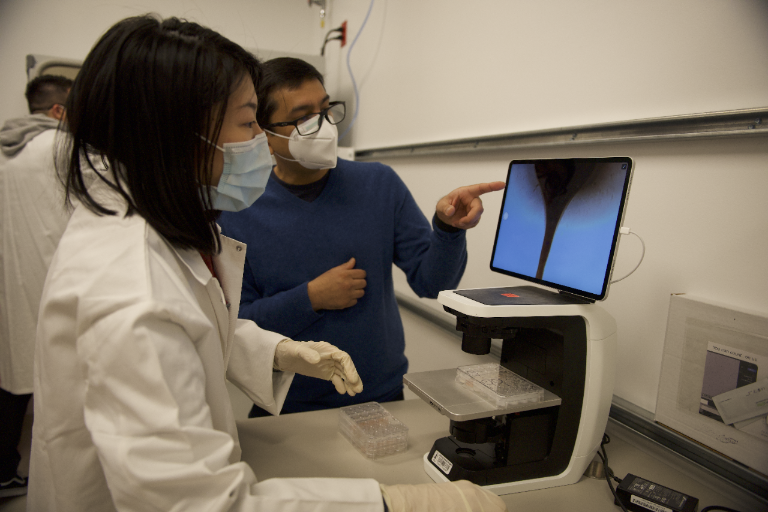
A built-in pause for engineered T cells
A short protein motif recruits a natural shedding mechanism to regulate CAR signaling and preserve cell function in preclinical studies.
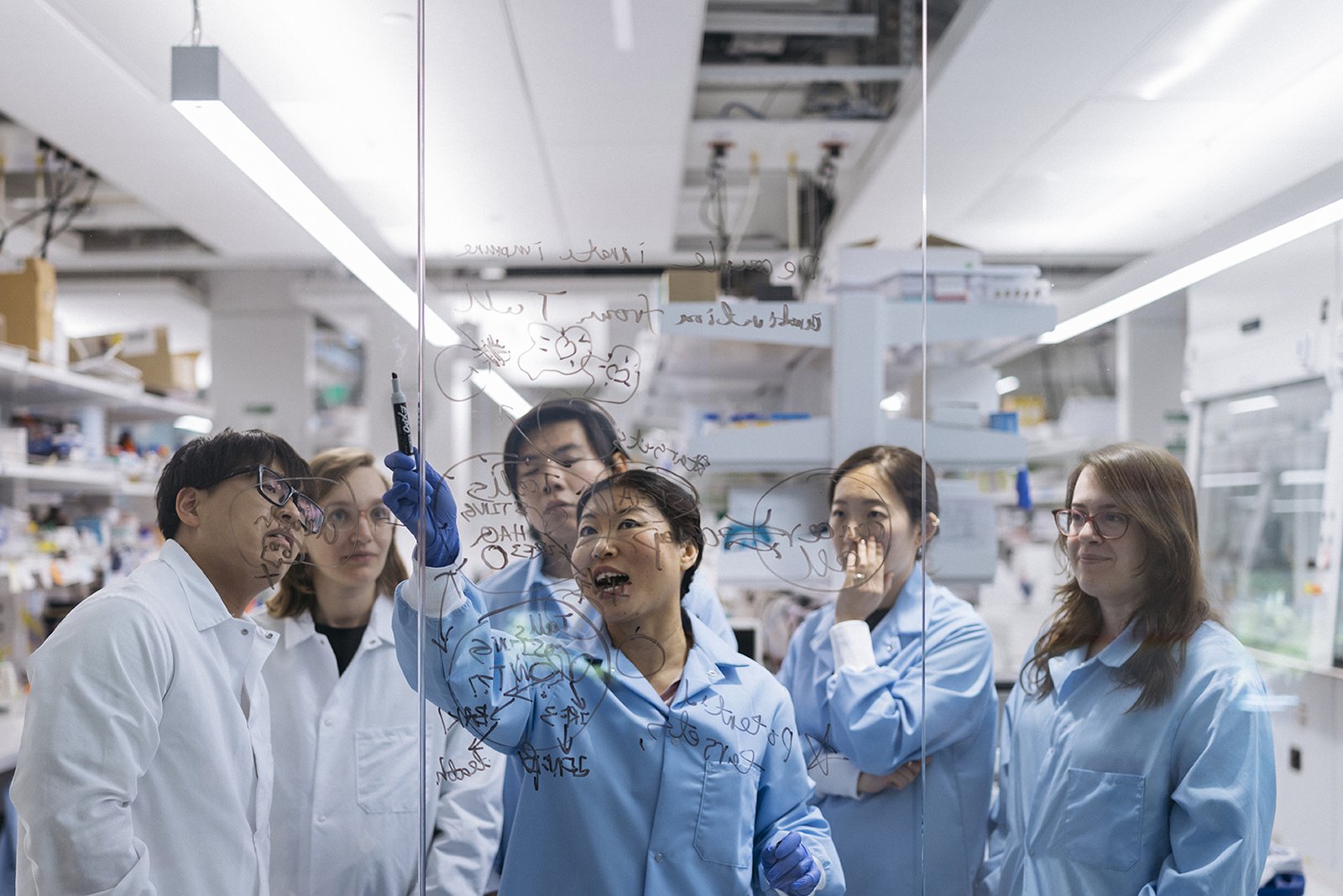
Read the article →Investigating life, from molecules and single cells to tissues, neural circuits, and human disease.
Explore the research →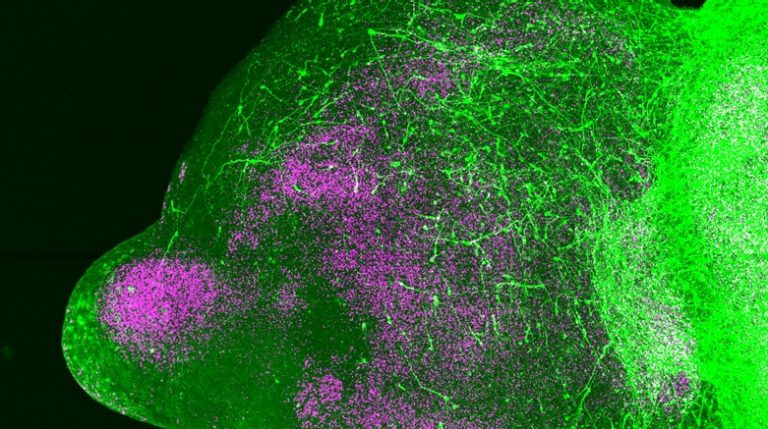
Follow a biological question through the systems, techniques, and people studying it.
How cells organize, communicate and adapt within living tissues.
Explore the field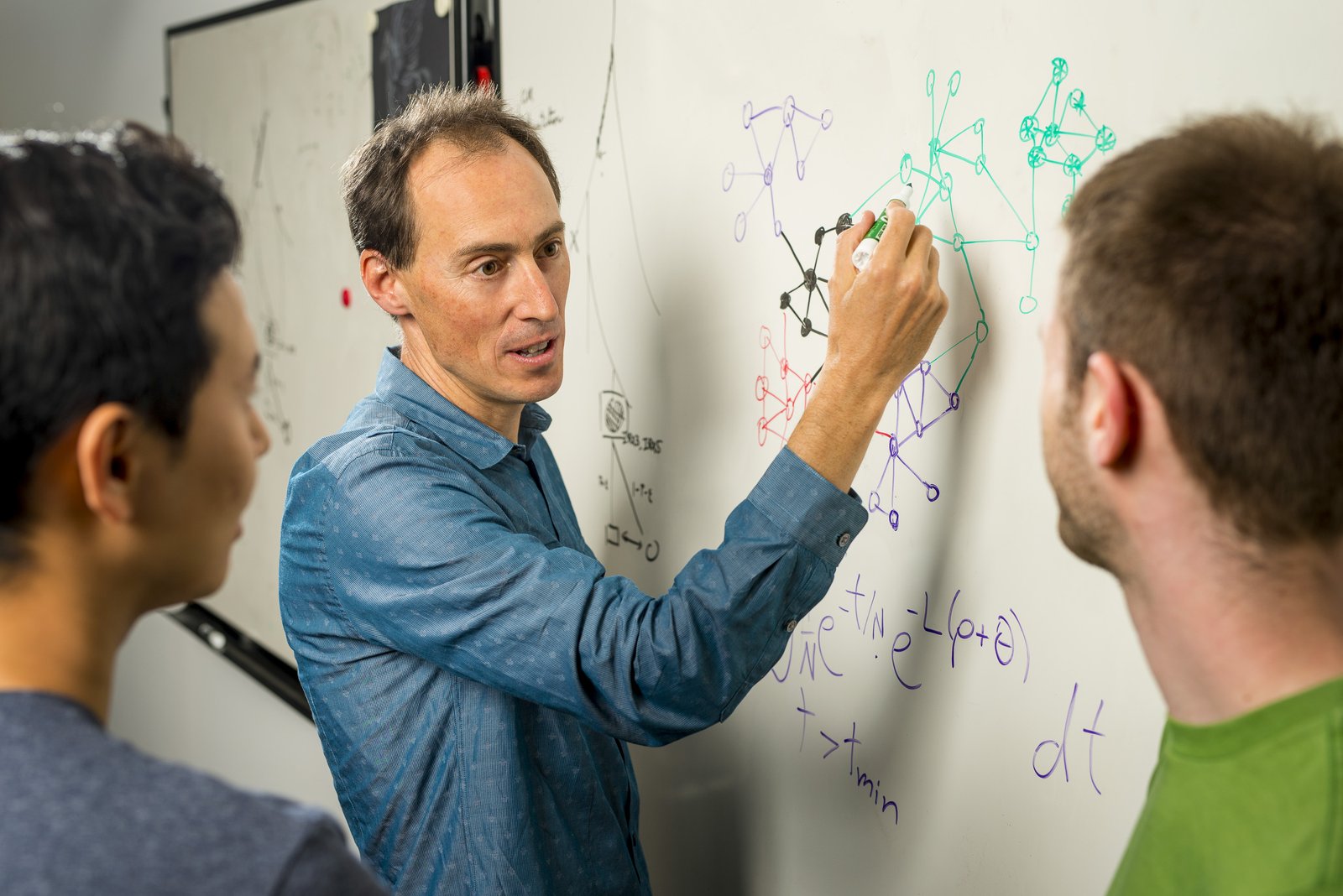
Connecting DNA variation, gene regulation and biological function.
Explore the field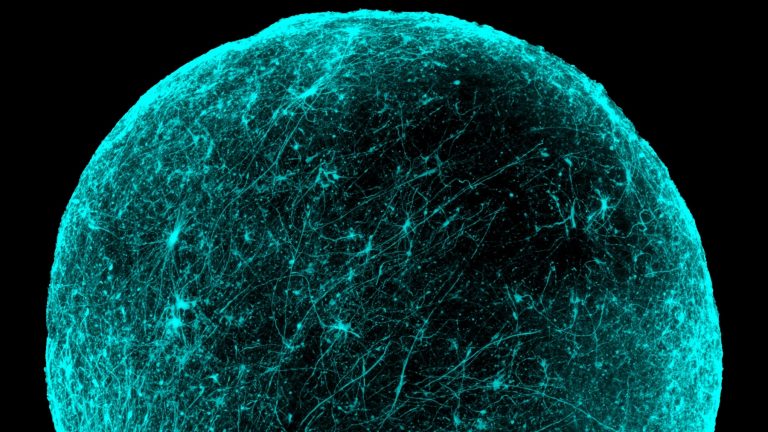
Following the cells, signals and developing circuits of the nervous system.
Explore the field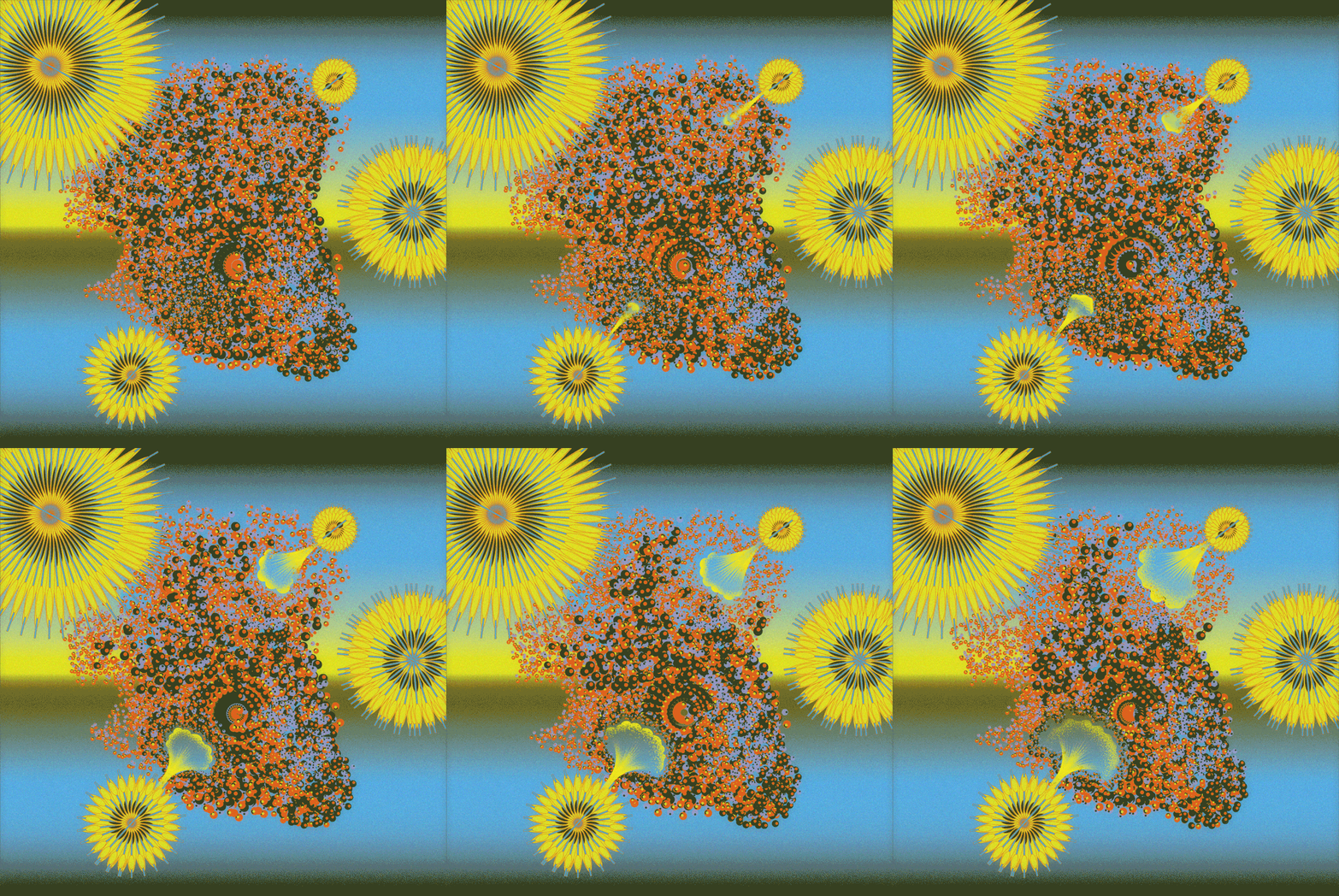
How protective responses develop, recognize threats and remain controlled.
Explore the field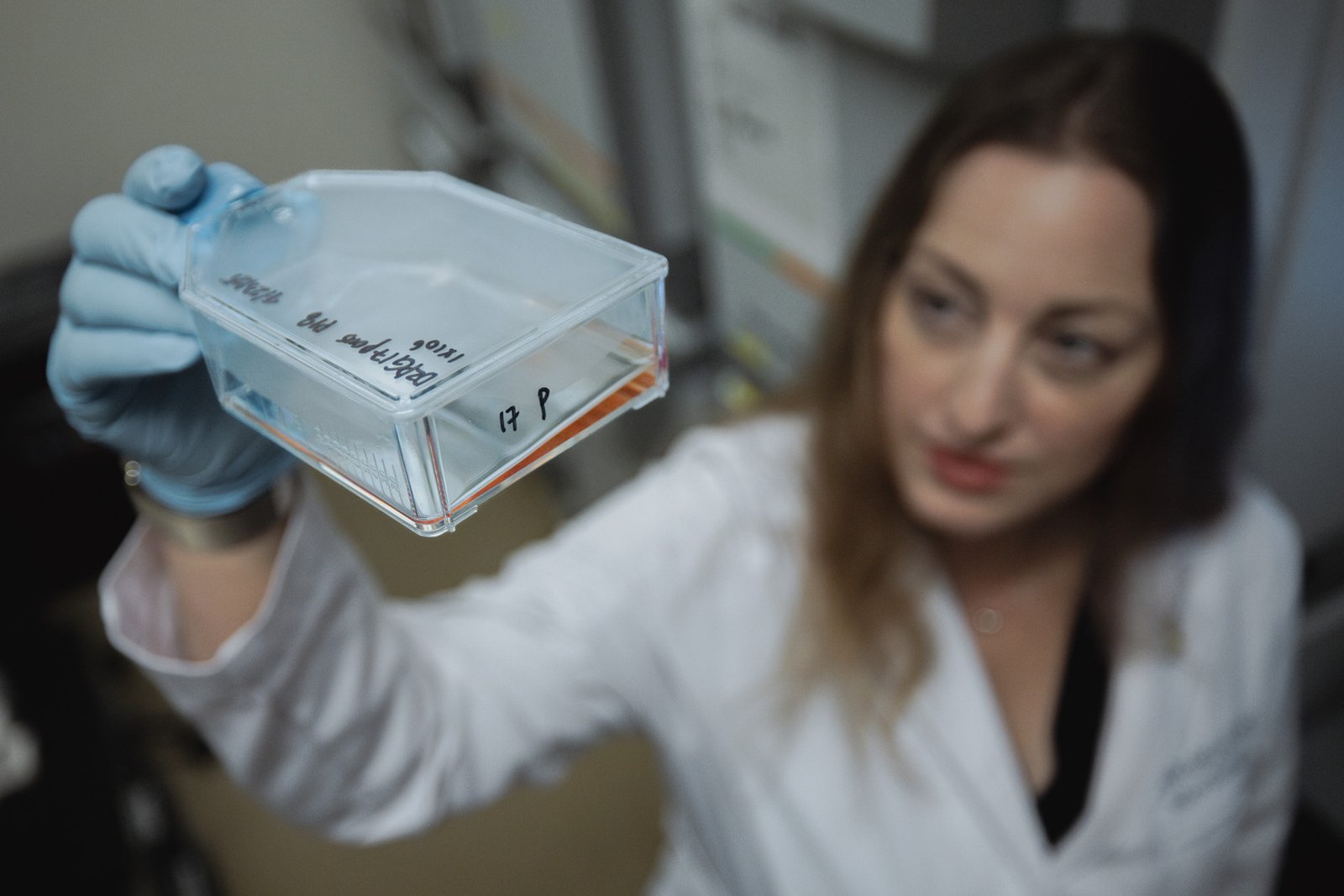
Understanding abnormal growth, tissue interactions and treatment response.
Explore the field
Studying how tissues renew, specialize and recover after damage.
Explore the fieldRead recent Stanford-affiliated studies with experimental detail, evidence context, and primary citations.
A short protein motif recruits a natural shedding mechanism to regulate CAR signaling and preserve cell function in preclinical studies.
Read the article →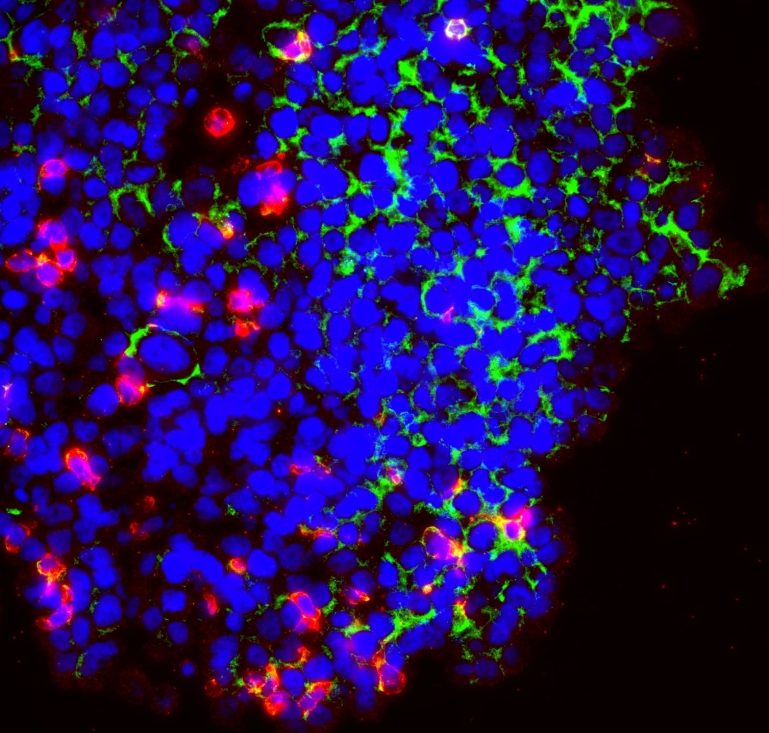
A Stanford team used genetic screens to equip cancer-killing cells with receptors that follow metabolic signals into tumors.
Read the article →SDR-seq pairs targeted genomic sequencing with RNA measurements in the same cells, helping connect precise variants to cellular behavior.
Read the article →A cell atlas, a fluorescent image, and a living tissue model each reveal a different part of biology. Learn what the methods measure and where their limits lie.
Explore the methods →