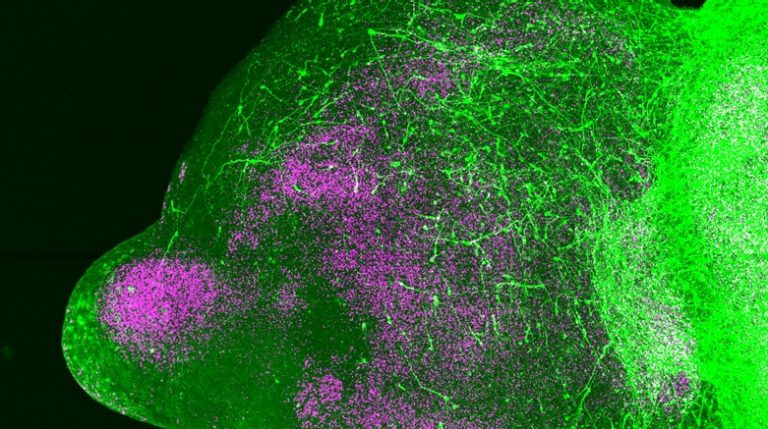
Moving RNA inside neurons
A programmable CRISPR transport system moves existing RNA inside cells, allowing researchers to test how local protein production shapes neuronal structure.
Read the article →Studying how tissues renew, specialize and recover after damage.
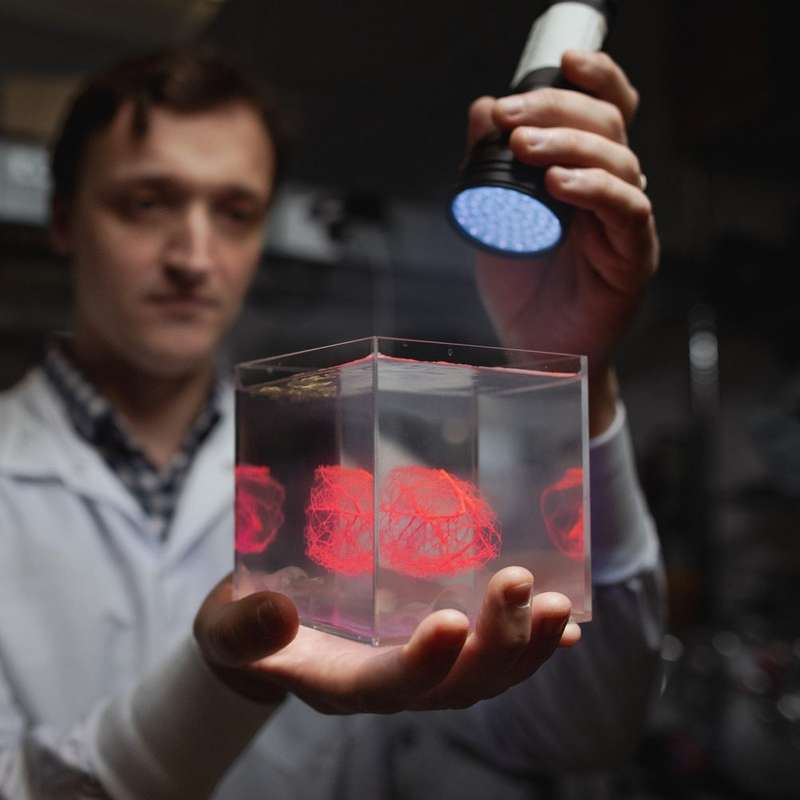
Regenerative medicine investigates how biological systems might repair or replace damaged cells and tissues. Stem-cell biology supplies central questions: how does a cell renew itself, and what directs it to become a specialized cell? Some adult stem cells maintain particular tissues, while pluripotent stem cells can generate the cell types of the adult body.
At Stanford’s Institute for Stem Cell Biology and Regenerative Medicine, research includes adult tissue stem cells and embryonic and induced pluripotent stem cells. Induced pluripotent stem cells are generated by reprogramming mature cells into a pluripotent state. Researchers can then investigate differentiation under controlled conditions and examine how disease-associated changes affect that process.
A stem-cell-derived tissue can be useful even when it is never transplanted. Forebrain spheroids, for example, allow investigators to observe migration and connections among developing human neurons. Such systems can reveal mechanisms and support experimental comparisons. They model selected features of a tissue and require careful characterization of their cellular composition and behavior.
Producing a desired cell type is one step toward a therapy. Further questions include whether the cells survive, perform the needed function, integrate with surrounding tissue and remain appropriately controlled. Laboratory findings, animal studies and clinical trials provide different kinds of evidence. A promising cellular result should be described at that level rather than presented as proof that a damaged human organ can already be restored.
A cluster of cells may have an organ-like shape without carrying out the functions required of a replacement tissue. Researchers characterize cell identities, organization, and functional readouts separately. In engineered heart tissue, for example, the question extends beyond making cardiac cells to how tissue-scale organization and support structures affect their behavior.
Regeneration is a process rather than a single endpoint. Cells may survive an intervention yet fail to integrate, or show early function that changes later. Experiments therefore need readouts and follow-up suited to the proposed use. Models can isolate an important step and help explain a mechanism while leaving the broader challenge of restoring a damaged organ unresolved.
These studies connect to the field. Their specific systems and methods define what can be concluded.
A programmable CRISPR transport system moves existing RNA inside cells, allowing researchers to test how local protein production shapes neuronal structure.
Read the article →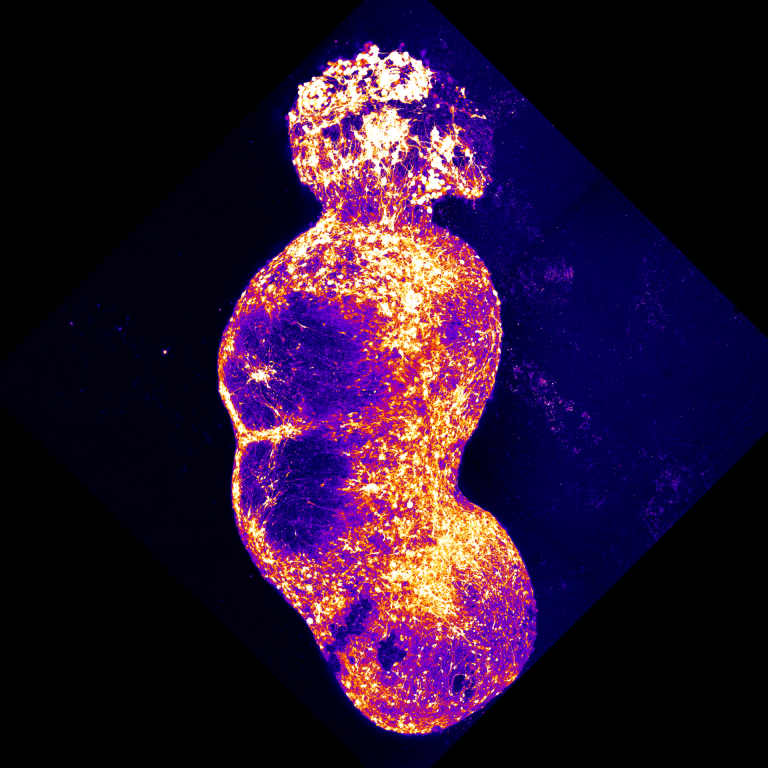
Four connected human stem-cell models let researchers watch sensory signals travel from peripheral neurons toward the cortex—and ask how pain-associated mutations change the whole circuit.
Read the article →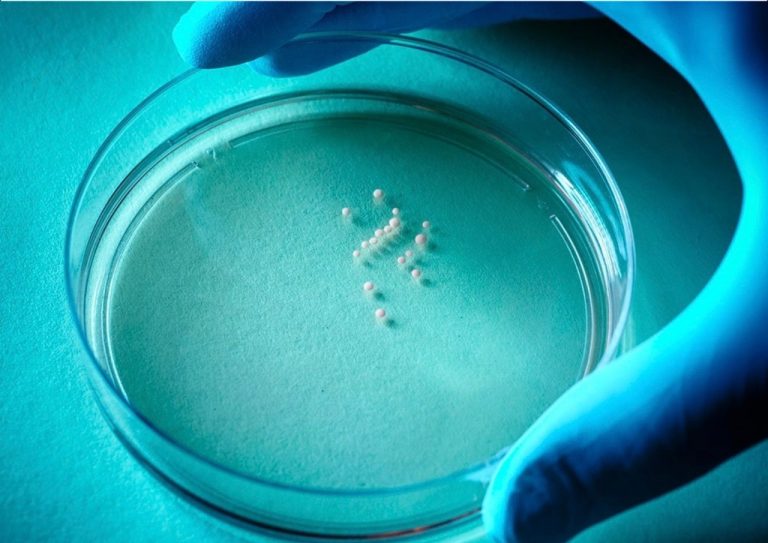
Patient-derived organoids and assembloids test an antisense strategy that reduces a disease-associated calcium-channel exon without removing the channel itself.
Read the article →