A built-in pause for engineered T cells
A short protein motif recruits a natural shedding mechanism to regulate CAR signaling and preserve cell function in preclinical studies.
Preclinical research
Read the full article →A growing library of original explainers. Explore recent Stanford-affiliated biology papers, the experiments behind their findings, and the questions still open.
12 articles
A short protein motif recruits a natural shedding mechanism to regulate CAR signaling and preserve cell function in preclinical studies.
Preclinical research
Read the full article →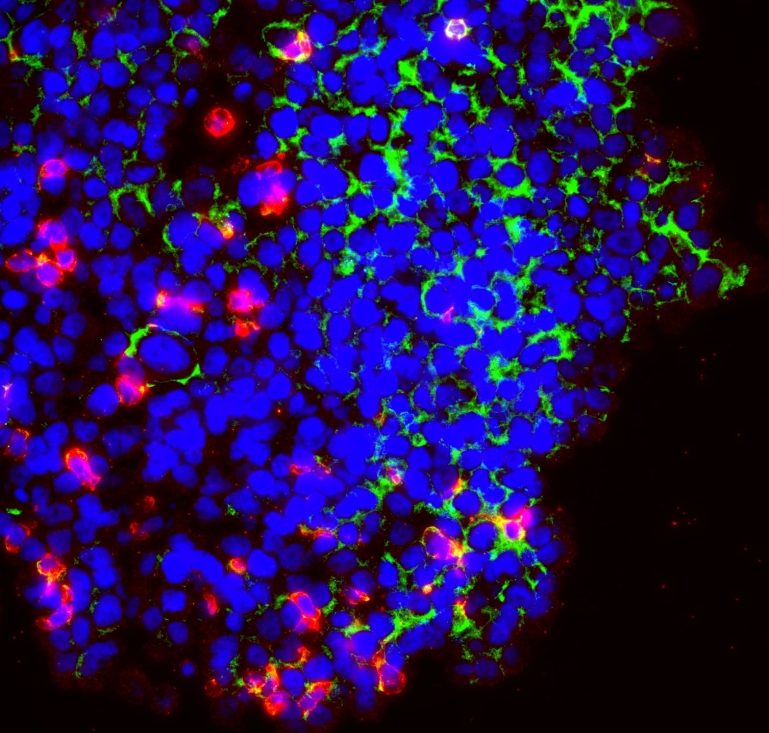
A Stanford team used genetic screens to equip cancer-killing cells with receptors that follow metabolic signals into tumors.
Preclinical research
Read the full article →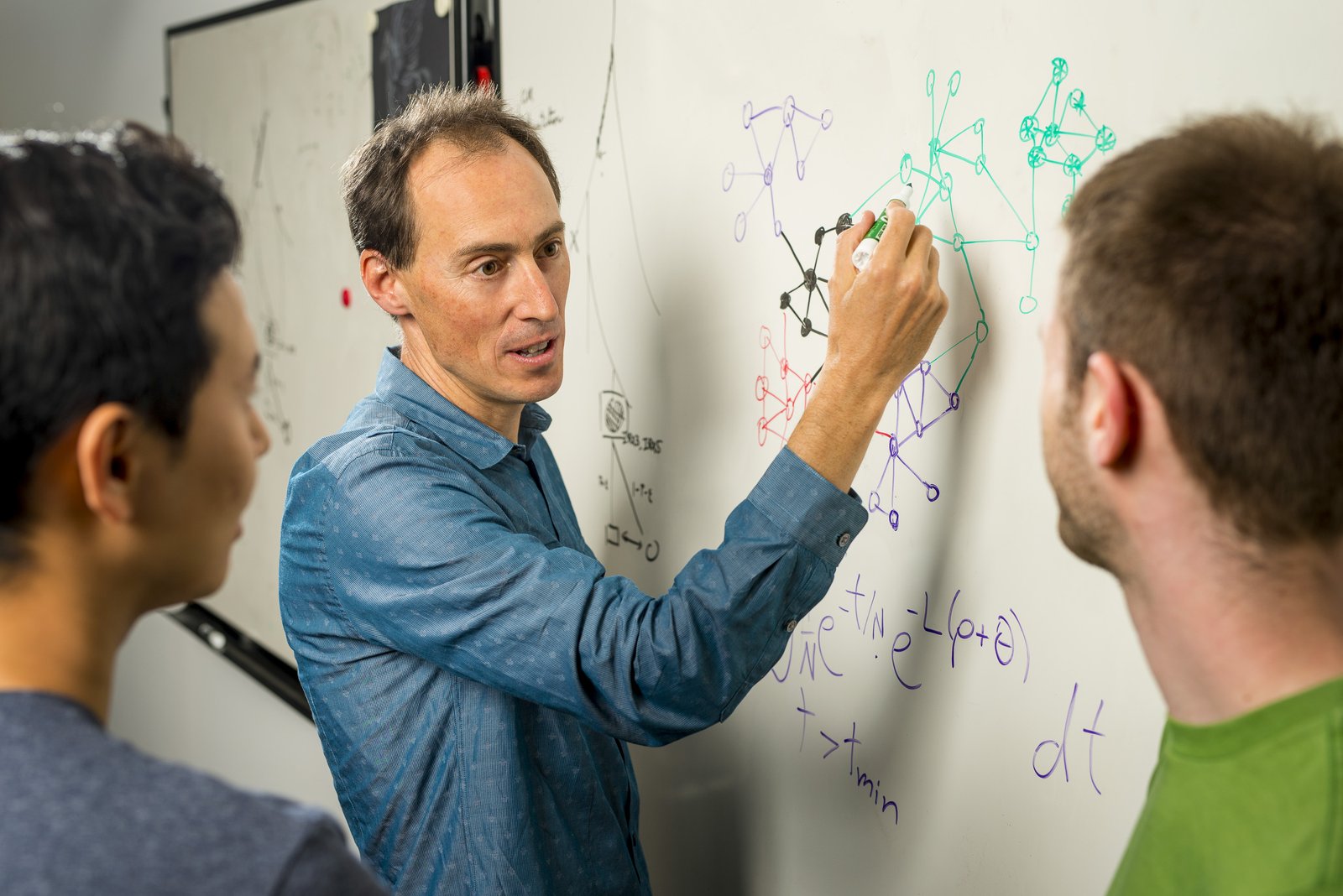
SDR-seq pairs targeted genomic sequencing with RNA measurements in the same cells, helping connect precise variants to cellular behavior.
Single-cell method development with engineered stem cells and primary human lymphoma samples
Read the full article →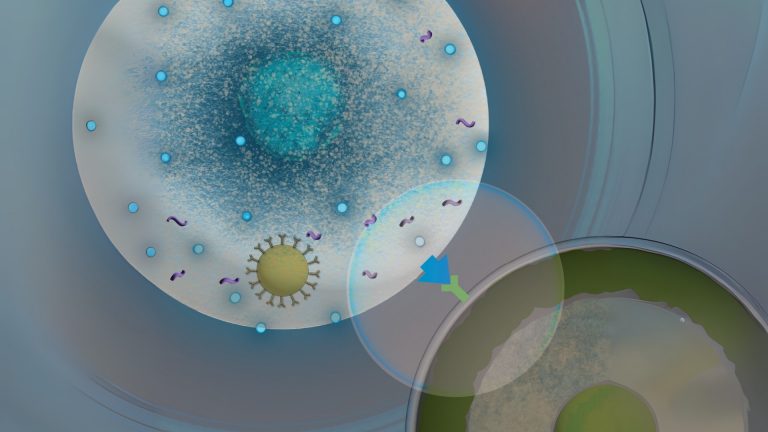
Targeted mRNA nanoparticles and PET imaging connect immune-cell engineering with a way to measure delivery in living mice.
Preclinical research
Read the full article →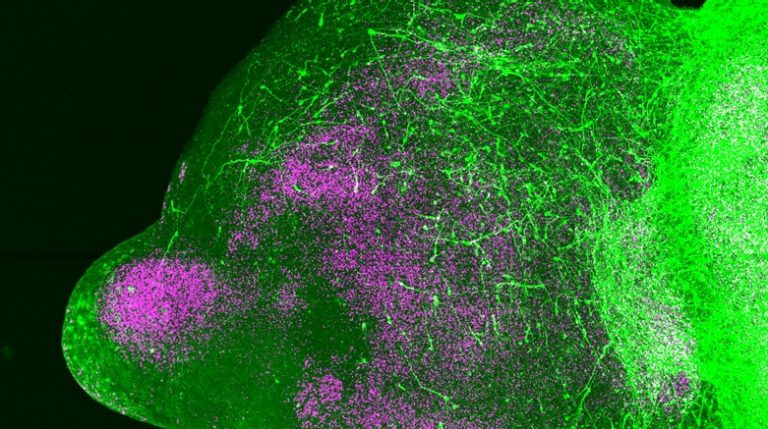
A programmable CRISPR transport system moves existing RNA inside cells, allowing researchers to test how local protein production shapes neuronal structure.
Preclinical laboratory study
Read the full article →
Genetic mapping, single-cell RNA sequencing and cell experiments connect an X-linked deletion to a pigment-cell signaling switch.
Comparative genetics, single-cell transcriptomics, tissue imaging and mechanistic cell experiments
Read the full article →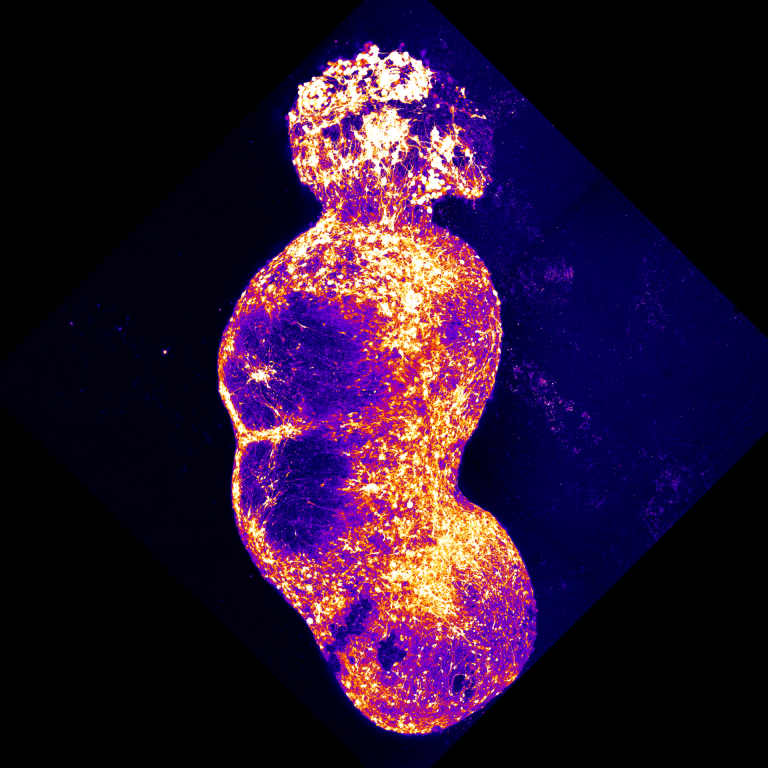
Four connected human stem-cell models let researchers watch sensory signals travel from peripheral neurons toward the cortex—and ask how pain-associated mutations change the whole circuit.
Preclinical laboratory study
Read the full article →
A Stanford study tests thousands of noncoding variants, then follows one colorectal-cancer signal from a single DNA letter to a cellular signaling pathway.
Functional genomics in primary human cells, with cancer-cell and tumor-growth follow-up
Read the full article →
A Stanford phase 1 trial investigated GD2-targeting immune cells in diffuse midline gliomas, with both tumor responses and substantial safety challenges.
Phase 1 clinical trial
Read the full article →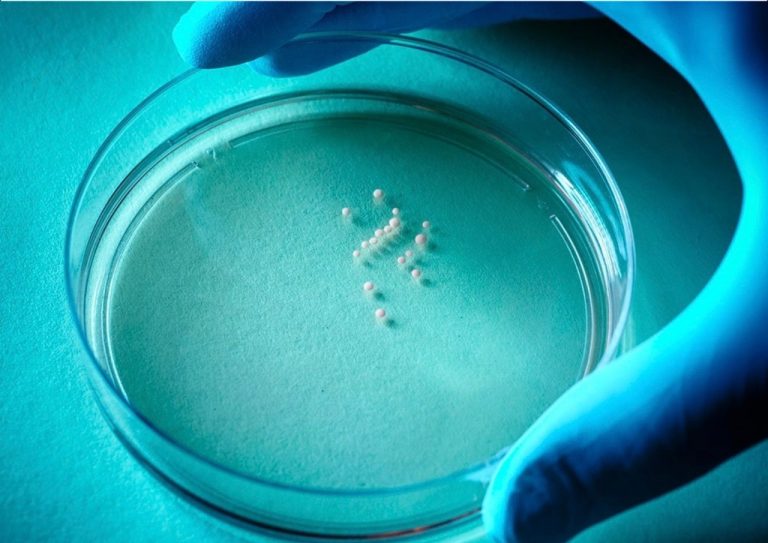
Patient-derived organoids and assembloids test an antisense strategy that reduces a disease-associated calcium-channel exon without removing the channel itself.
Preclinical laboratory study
Read the full article →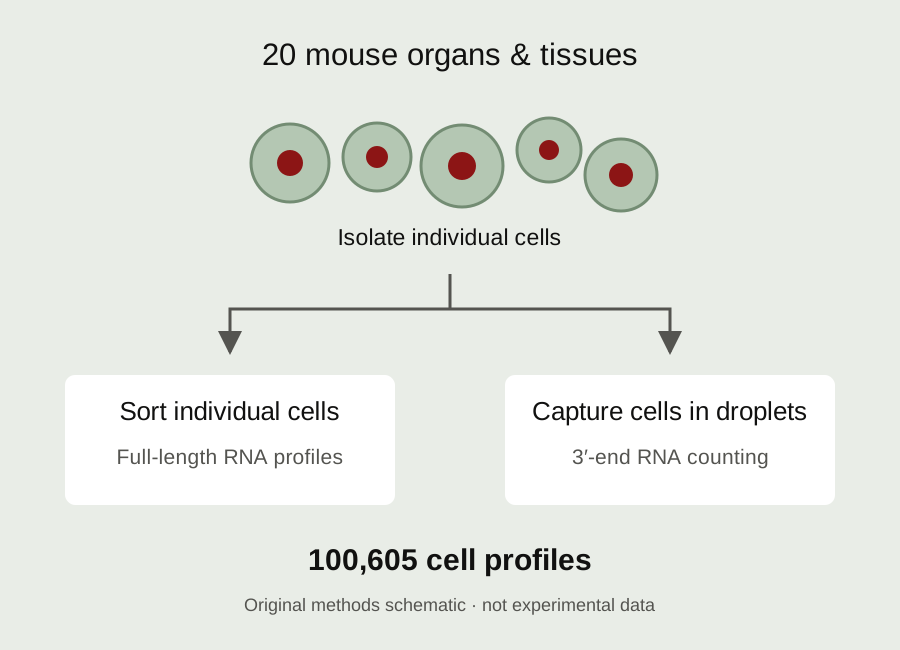
How a Stanford–Biohub collaboration used RNA sequencing to map 100,605 cells across 20 mouse organs and tissues.
Mouse cell atlas
Read the full article →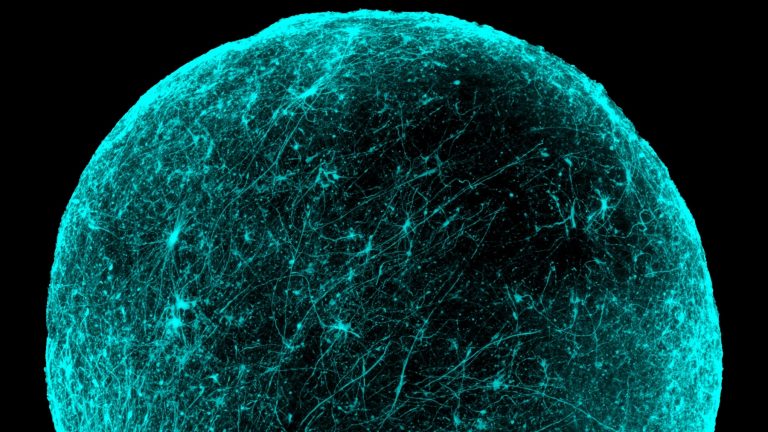
Human forebrain spheroids made a hidden developmental process visible: neurons moving into a new region and joining its circuits.
Human stem-cell laboratory model
Read the full article →Years and dates describe the underlying papers. Research notes are original explainers; contextual photographs are distinguished from study figures.