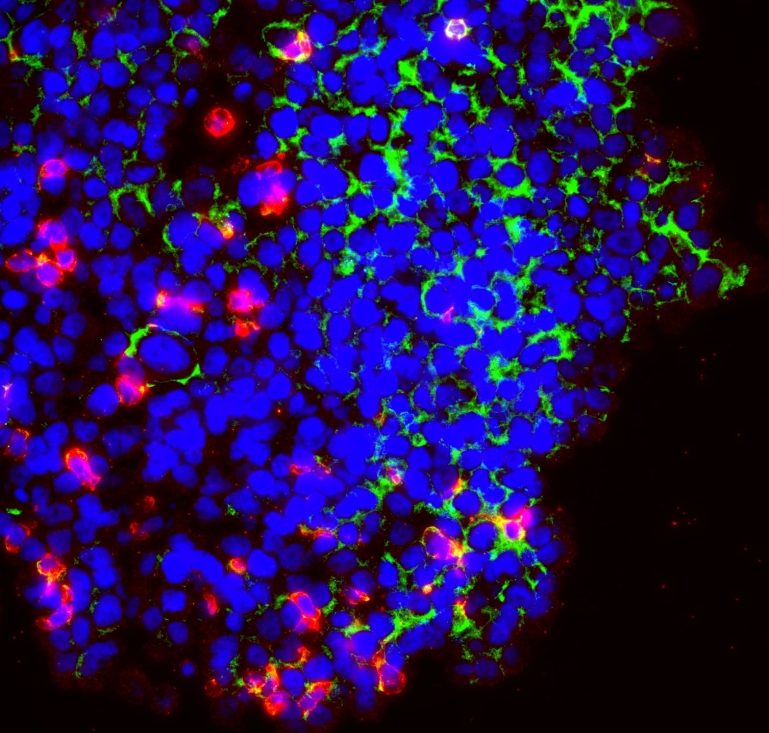
Guiding immune cells into tumors
A Stanford team used genetic screens to equip cancer-killing cells with receptors that follow metabolic signals into tumors.
Read the article →Connecting DNA variation, gene regulation and biological function.
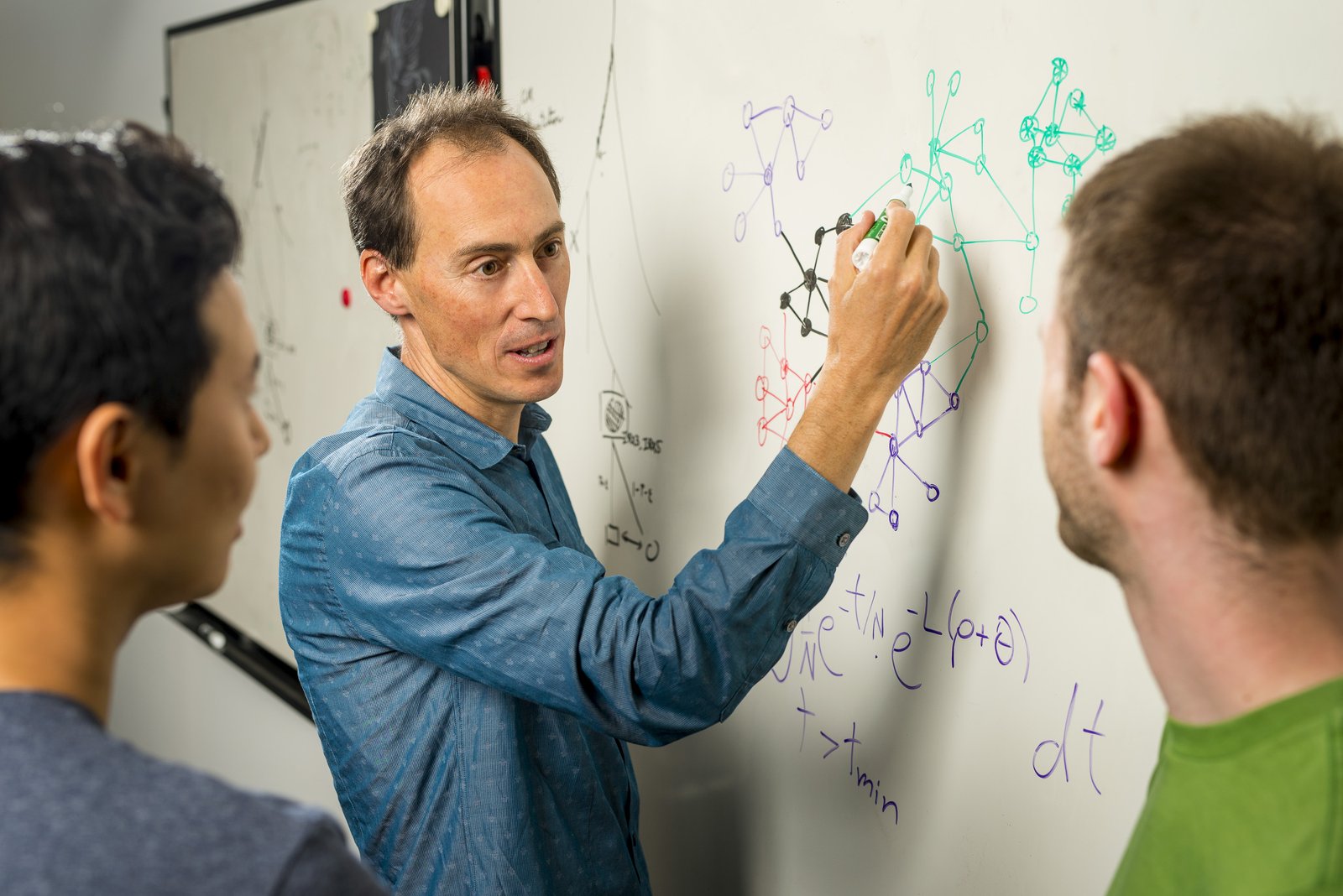
Genetics investigates inheritance, variation and the function of genes. Genomics extends the view to large sets of DNA sequences and their relationships. A sequence difference can change a protein, alter when a gene is expressed or have no detectable effect under the conditions studied. Finding a variant begins an investigation; it does not always finish one.
Different cell types share much of the same DNA while using different portions of it. Researchers therefore examine gene regulation as well as sequence. RNA measurements can show which genes are active in a cell population, while experiments on regulatory regions can test how that activity is controlled. These questions connect genetics with development and disease.
CRISPR-based tools allow researchers to modify selected DNA sequences or change gene activity. Comparing perturbed cells with suitable controls can help test whether a candidate gene contributes to an observed trait. Repeating a result with independent approaches is valuable because editing efficiency, unintended changes and the cellular model can all influence the outcome.
Stanford’s genetics training spans human disease genes, model organisms, statistical genetics and experimental and computational genome biology. The Tabula Muris study provides one complementary resource: a reference of RNA expression across mouse tissues. It helps locate a gene’s activity, but expression alone does not demonstrate that the gene causes a disease or predict an individual person’s outcome.
A statistical association can link a DNA variant to a trait without identifying the molecular change that produces it. Functional experiments test candidate explanations by changing a sequence or its activity and measuring a defined outcome. The strength of the conclusion depends on how closely the experimental system represents the relevant cell type and developmental or disease context.
A variant can alter regulation, change the amount or form of a gene product, and affect a cellular process. Each step is an opportunity to test the proposed explanation. A plausible sequence of events is more convincing when supported by complementary measurements. Large genomic datasets help nominate candidates, while carefully controlled experiments narrow the alternatives.
These studies connect to the field. Their specific systems and methods define what can be concluded.
A Stanford team used genetic screens to equip cancer-killing cells with receptors that follow metabolic signals into tumors.
Read the article →SDR-seq pairs targeted genomic sequencing with RNA measurements in the same cells, helping connect precise variants to cellular behavior.
Read the article →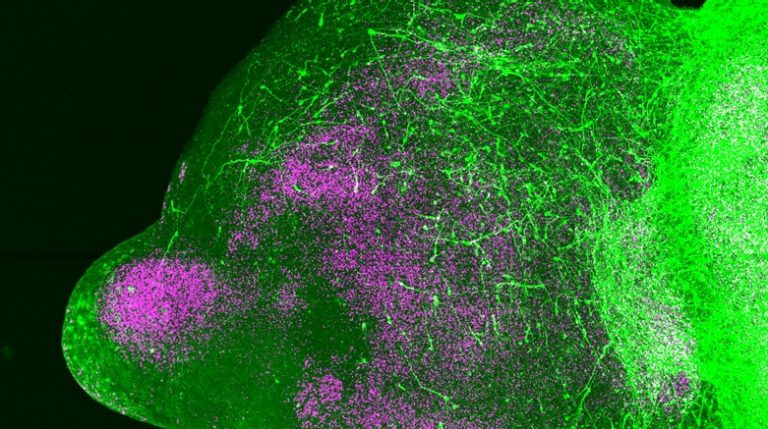
A programmable CRISPR transport system moves existing RNA inside cells, allowing researchers to test how local protein production shapes neuronal structure.
Read the article →