A built-in pause for engineered T cells
A short protein motif recruits a natural shedding mechanism to regulate CAR signaling and preserve cell function in preclinical studies.
Read the article →How cells organize, communicate and adapt within living tissues.
A cell maintains boundaries, uses energy, builds molecules and responds to its surroundings. Cell biologists ask how these activities fit together. They study membranes, internal compartments, protein machinery and the signals that coordinate behavior. A useful explanation connects a molecular event to a measurable consequence, such as a change in movement, division or secretion.
Cells also work in communities. A signal from a neighboring cell can influence whether another cell divides, changes identity or remains inactive. Stanford’s Department of Molecular and Cellular Physiology studies proteins, cells and their interactions across cell biology, immunology and neuroscience. These connections make the boundary between research fields deliberately porous.
The Stanford and Chan Zuckerberg Biohub Tabula Muris collaboration measured RNA in more than 100,000 cells from 20 mouse organs and tissues. Its reference lets researchers compare related cell populations across anatomical locations. Such comparisons can suggest which features belong to a broad cell identity and which reflect a particular environment.
Gene-expression measurements provide clues about cellular state. Microscopy adds information about position and behavior, while perturbation experiments test what changes when a component is altered. None supplies a complete account alone. A cell isolated for sequencing has also been removed from its normal tissue context, an important limitation when interpreting an atlas.
An experiment may begin with a pattern: a cell changes shape, a protein moves, or an RNA profile shifts. The next question is whether the observed change explains the behavior or merely accompanies it. Researchers can alter a candidate component and measure the consequences, then test whether restoring its activity reverses the effect. Those comparisons make a stronger mechanistic argument than an image or expression profile alone.
A mechanism established in isolated cells may behave differently inside a tissue. Neighboring cells, mechanical constraints, and the availability of nutrients can change the outcome. Combining molecular measurements with imaging and functional tests helps connect these scales. When reading a study, identify the system used and ask which parts of a living tissue the experiment preserves or leaves out.
These studies connect to the field. Their specific systems and methods define what can be concluded.
A short protein motif recruits a natural shedding mechanism to regulate CAR signaling and preserve cell function in preclinical studies.
Read the article →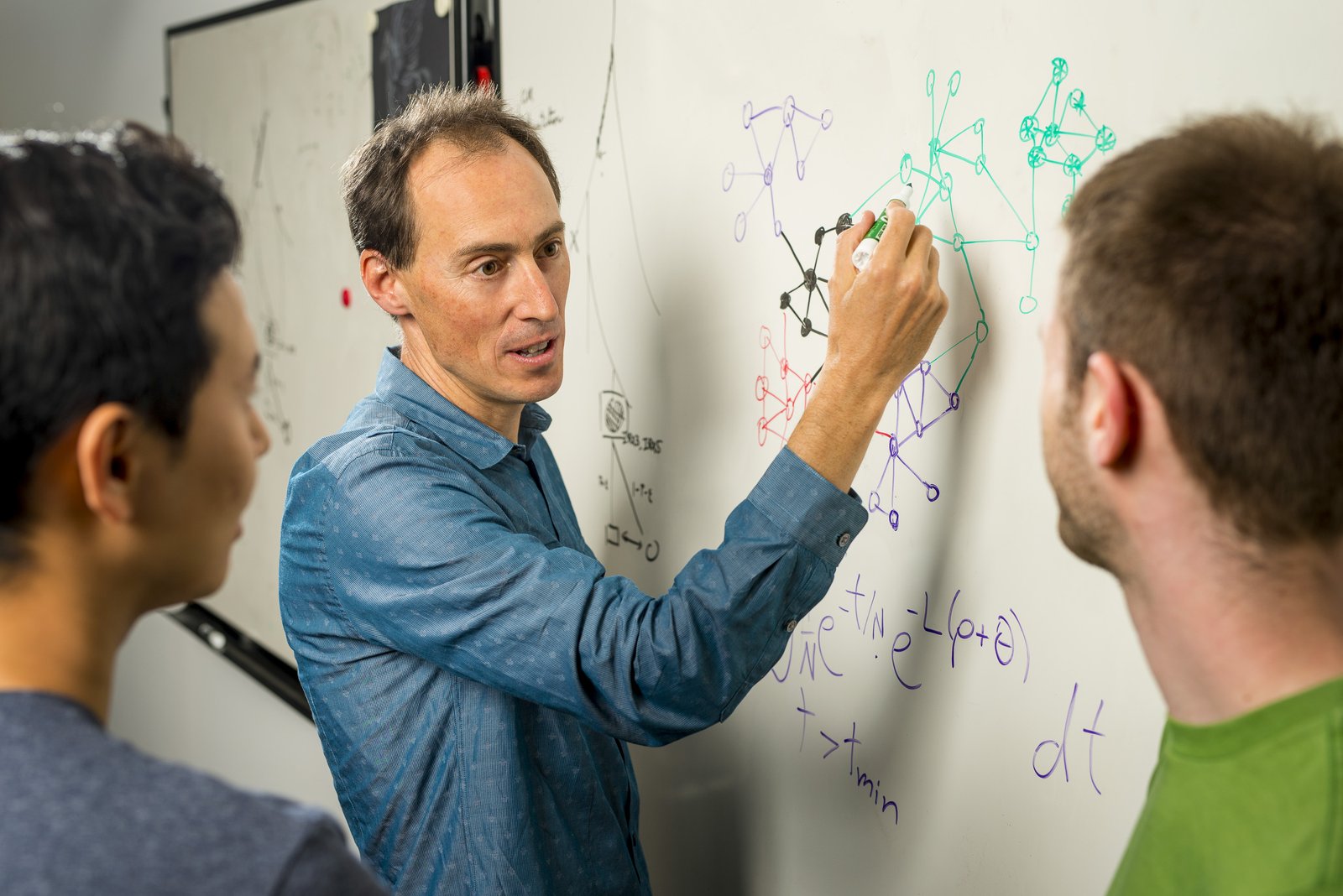
SDR-seq pairs targeted genomic sequencing with RNA measurements in the same cells, helping connect precise variants to cellular behavior.
Read the article →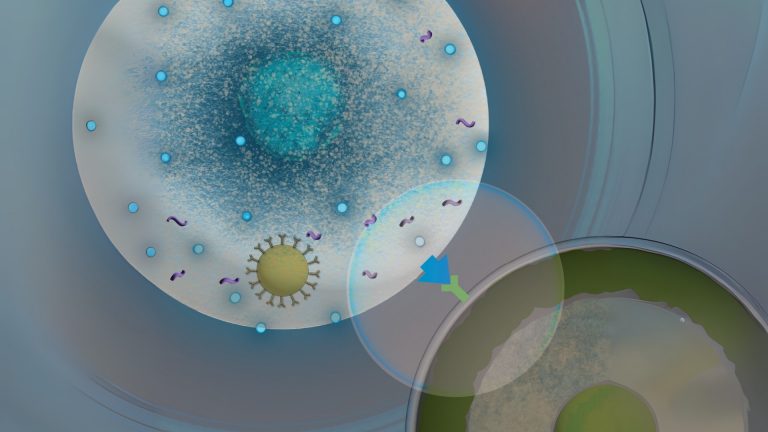
Targeted mRNA nanoparticles and PET imaging connect immune-cell engineering with a way to measure delivery in living mice.
Read the article →